Stabbing Pain While Pooping on Your Period
If you are trying to figure out why you are having stabbing pain while pooping on your period, you’ve come to the right place. In this post, I am going to walk you through what this symptom can mean and what to do about it.
Think of this like a conversation at your favorite local coffee shop. I’m sipping on my iced oatmilk latte and you’re having your drink of choice & we’re going to talk about why it hurts to poop while you’re on your period.
One thing I want to make very clear from the beginning is this: if you are having pain specifically with bowel movements during your period and not at other times in your cycle, this is cyclical. And that means it matters. Please do not let a provider tell you that it does not mean anything.
This blog will cover the different things I would be thinking about when someone tells me they have stabbing pain while pooping on their period, and we will also talk through a few things you can try at home to help alleviate that pain.
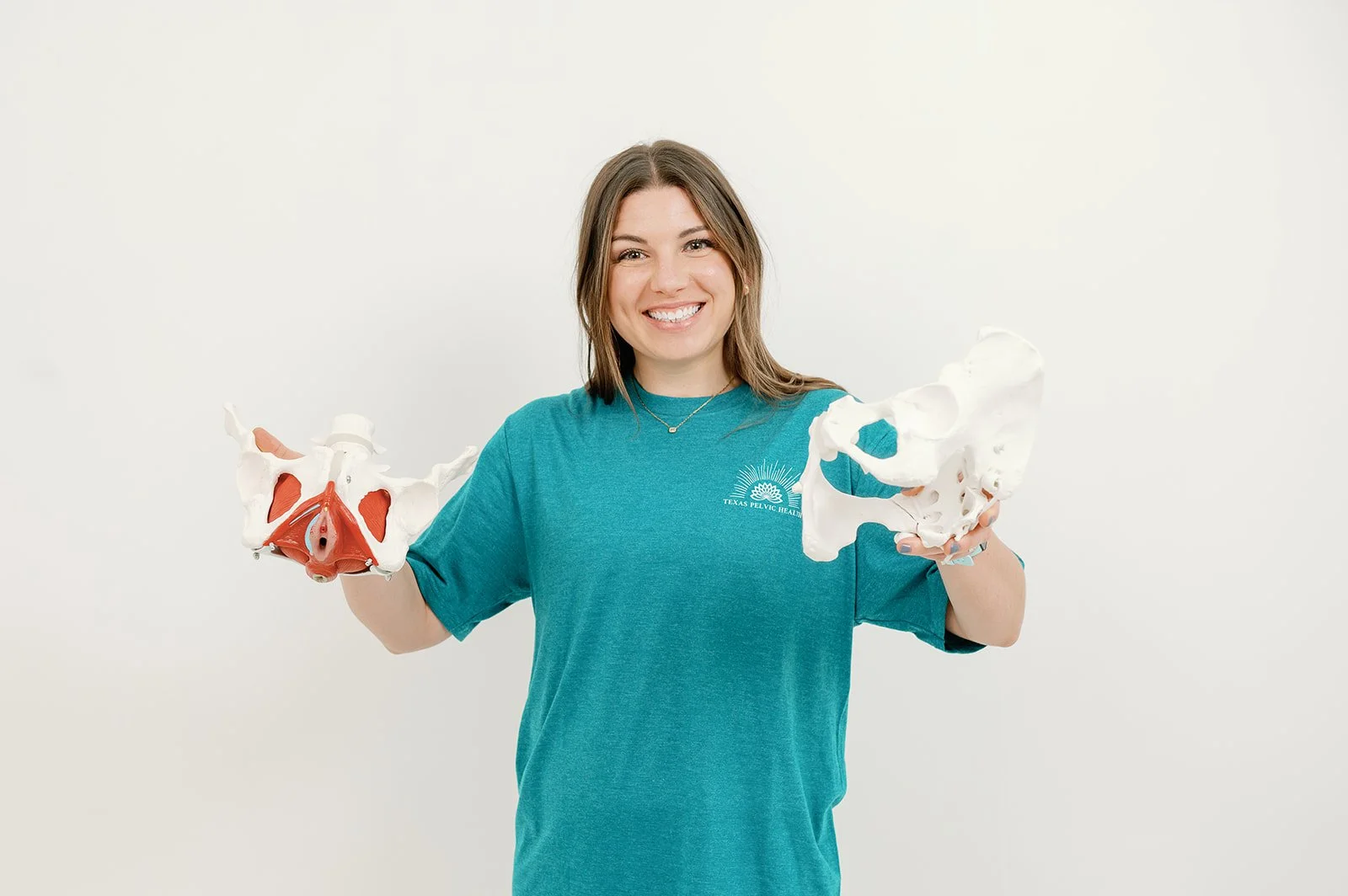
Why Period Hormones Can Cause Stabbing Rectal Pain
When you are on your period, your hormones are actually very low. A lot of people assume hormones are “going crazy” during this time because symptoms can feel intense, but in reality, estrogen and progesterone are at their lowest point in the cycle. Low hormones can come with a wide range of symptoms, including pain.
There are estrogen and progesterone receptors all throughout the pelvis, including in and around the pelvic floor. When estrogen is low, the pelvic floor can be affected. In some cases, the muscles begin to overcompensate and become more tight or tense than they normally would be. Increased tension in this area can contribute to sharp or stabbing pain with bowel movements during your period.
Another big piece of this puzzle is how your bowels behave around your cycle. Many people struggle with constipation or diarrhea right before or during their period.
If constipation is more common for you, this increases pressure on the pelvic floor and rectal tissues, which can make bowel movements more painful. If diarrhea is more common, the pelvic floor muscles often become more guarded. These muscles were not designed to hold in loose stool, so they may tighten reflexively, which can also lead to pain.
Diarrhea is typically more common during your period because of prostaglandins. Prostaglandins help the uterus contract so the uterine lining can shed, but they do not only act on the uterus. They also affect the bowels and can increase the frequency of bowel movements.
Any inflammation in the body can exaggerate pain and bowel related symptoms, whether that shows up as constipation, diarrhea, or increased sensitivity in the rectal area.
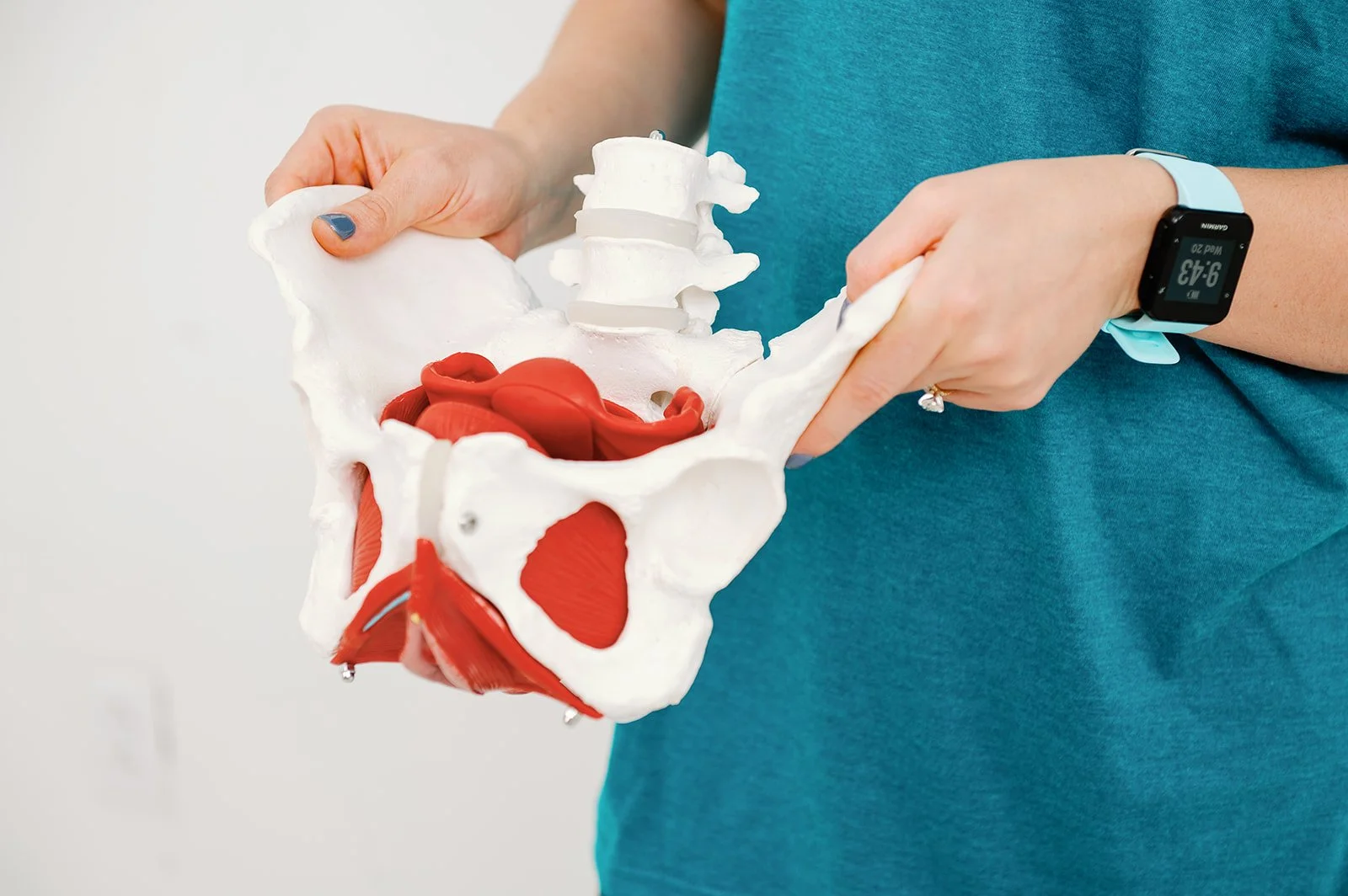
Pelvic Floor and Muscular Causes of Pain With Bowel Movements
From a musculoskeletal standpoint, one contributor to stabbing pain with bowel movements can be a history of a tailbone injury. There is a ligament and muscle connection that ties the external anal sphincter, and therefore much of the pelvic floor, to the tailbone. This ligament is called the anococcygeal ligament.
When someone is experiencing stabbing pain with pooping, this is typically not a weakness issue. Most often, it is related to pelvic floor tension. People with pelvic floor weakness who have pain tend to describe more back related pain rather than sharp pelvic or rectal pain.
In these cases, the pelvic floor muscles are often tight, hypertonic, or guarding. Guarding can develop from a history of chronic pain or repeated painful bowel movements. Your body is smart and wants to protect you, so this tension is often your body’s way of trying to keep you safe.
These muscles can also become more tense during your period. Menstrual related pain alone can increase muscle tension, and when you are in pain, your body naturally tightens. The pelvic floor can take on that tension.
Straining or holding tension during a bowel movement can increase pain. If you notice yourself straining, I recommend trying to stop. That can be challenging, but focusing on deep diaphragmatic belly breathing, especially on your period, can help.
Instead of holding tension, gentle movement can also help alleviate pain. Poses like child’s pose, happy baby, and a deep squat can encourage the pelvic floor to relax.
Conditions That Commonly Cause Stabbing Pain While Pooping on Your Period
One of the biggest conditions to consider here is endometriosis. Stabbing pain while pooping on your period is one of the classic symptoms that helps distinguish between painful periods and something more going on.
Pain specifically with bowel movements combined with severe period pain that keeps you from doing your normal daily activities is a sign of endometriosis. If this is happening and nothing seems to be helping, you need to be evaluated for endometriosis.
Another condition that can have a similar presentation is adenomyosis. Adenomyosis occurs when endometrial like tissue grows into the muscular layer of the uterus rather than outside of the uterus. This can cause increased pressure during bowel movements.
IBS can also contribute. IBS flare ups often worsen during the menstrual cycle because of inflammation. Hormonal shifts and inflammatory processes during your period can exaggerate bowel symptoms and pain. For this, decreasing anything inflammatory before your period starts may help reduce symptom severity.

What’s next??
I hope this article gives you a little direction if pain while pooping during your period is something you experience. This is important information to relay to your provider. If that concern is dismissed, I would encourage you to advocate for yourself and specifically ask to have endometriosis ruled out, including requesting a referral to an endometriosis specialist.
Endometriosis is diagnosed and treated through excision surgery, not ablation or other approaches. If your symptoms are severe, cyclical, and not improving, this matters.
If you are hoping for a more conservative approach, pelvic floor physical therapy can help with the pain associated with pooping during your period and pain associated with endometriosis. Pelvic floor physical therapy does not treat or cure endometriosis, as surgical excision is the only treatment for the disease itself. However, a pelvic floor physical therapist can help address pain, muscle guarding, pelvic floor tension, and bowel related symptoms that often accompany endometriosis. This can be helpful while pursuing a diagnosis, preparing for surgery, or during recovery.
I would also encourage you to track your menstrual cycle, including any symptoms you experience and when they occur in your cycle. The goal of this blog is to help you become knowledgeable about your cycle so you can clearly communicate what is happening in your body to your care team.
Painful Period Symptoms Deserve More Than “That’s Normal”
If you’re experiencing stabbing pain with bowel movements during your period, painful cramps, pelvic pain, or symptoms that feel disruptive or confusing, you deserve more than vague answers.
Inside The Cycle Script Analysis + Action Plan, we help you better understand your cycle patterns, symptoms, hormone health, and possible next steps worth exploring so you can feel more informed and supported.
We would love to work with you.