Tips for Getting Pregnant 30-35
Here’s the plan… I’m going to pretend like we’re besties having coffee at a local coffee shop while you ask me about all of my tips for getting pregnant at 30-35.
If you’re planning to start trying for a baby in your early 30s (somewhere between ages 30 and 35) you’re in the right place. This blog covers the top five tips for getting pregnant between ages 30 and 35 so you can feel confident and prepared during your trying-to-conceive era.
We’ll talk about understanding your fertile window, supporting egg quality, getting baseline labs checked, optimizing your lifestyle, and creating a plan with your partner.

1. Understand Your Fertile Window
When it comes to the menstrual cycle, your period usually gets all the attention, but ovulation is actually the queen. Ovulation is what makes conception possible, and understanding it is one of the most important tips for getting pregnant in your 30s.
Your menstrual cycle runs from day one of your period to day one of your next period, typically lasting anywhere from 21 to 35 days (with 28 being the average, though that varies for everyone). The first half, called the follicular phase, is when your body prepares an egg for release. Ovulation usually happens around day 14, but only about 20% of women actually ovulate on that exact day. The second half of your cycle, the luteal phase, is when your body produces progesterone to support a potential pregnancy.
There are three main ways to track ovulation at home:
Ovulation predictor kits
Basal body temperature
Monitoring cervical mucus that becomes clear and stretchy (like egg whites) around ovulation.
Your fertile window includes the 5 days prior to ovulation, and the day you ovulate.
For tracking, check your temperature daily with a wearable like the Oura Ring or an oral thermometer. If you prefer an app, Natural Cycles is the most accurate since it learns your individual rhythm instead of assuming ovulation happens on day 14 (algorithm). That difference can make or break timing intercourse correctly especially if, like me, you ovulate later in your cycle (I conceived my son Ace when I ovulated on day 21 and would’ve totally missed this if I was solely relying on an algorithm based app).
To help make tracking easier, I’ve created a menstrual tracking spreadsheet you can use to log your temperatures, symptoms, and fertile signs.
2. Optimize Egg Quality
One of the best fertility tips for women in their 30s is to focus on egg quality. It takes about three months for an egg to fully mature, which means the choices you make today can directly influence egg health three months from now. You can’t change the number of eggs you have, but you can absolutely improve their quality.
Improving egg quality starts with lowering inflammation and oxidative stress in the body. Prioritizing moderate movement, eating an anti-inflammatory or Mediterranean-style diet, and avoiding alcohol and smoking can reduce inflammation significantly. Managing stress also plays a huge role, getting enough rest, sleeping consistently, and using techniques like yoga, meditation, or deep breathing can all help calm the nervous system and support egg health.
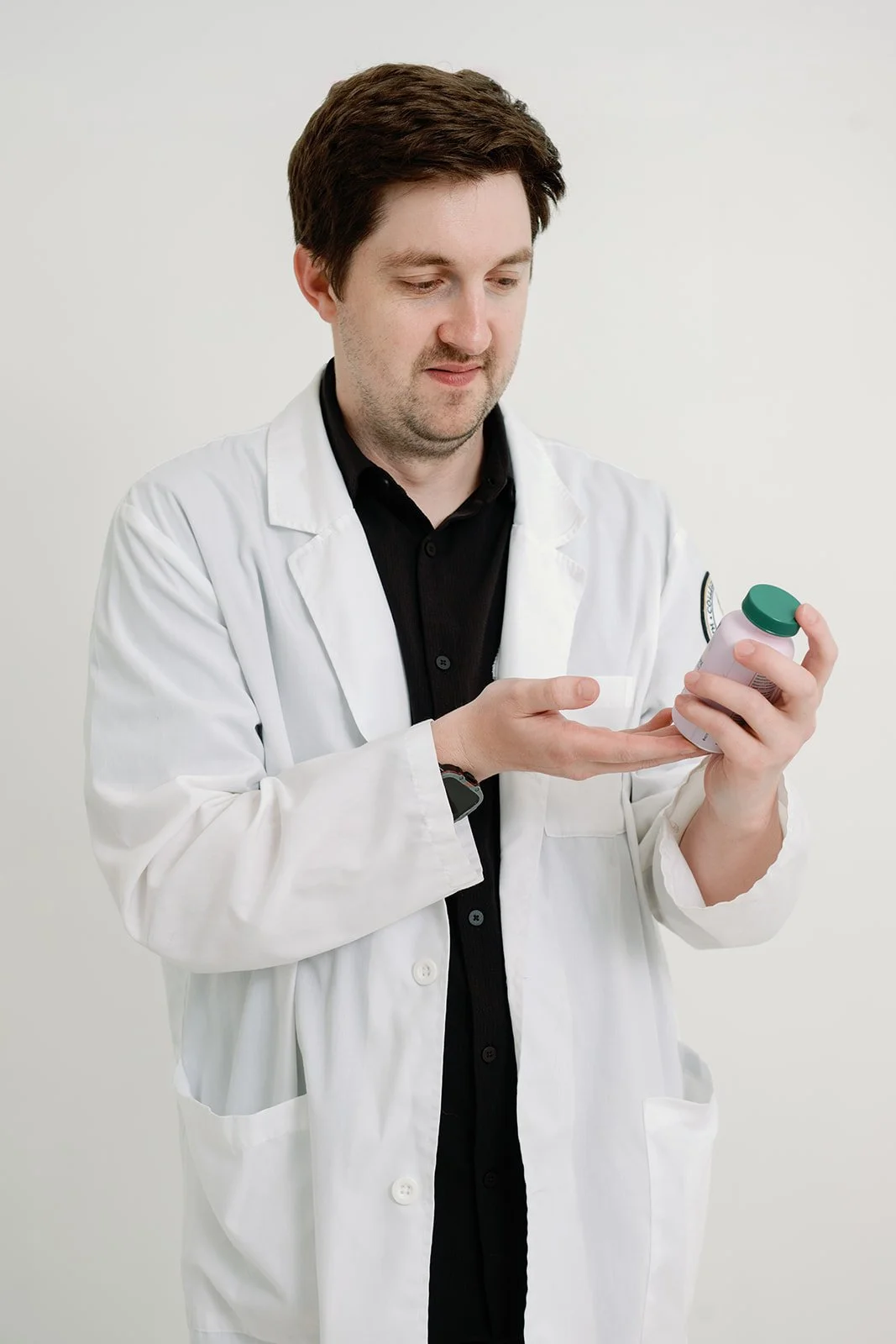
For supplementation, CoQ10 is a key player in supporting egg quality. A common dosage is 200 mg, taken three times daily during your preconception season.
3. Get Baseline Labs Checked Early
If you’re trying to conceive at 30–35, lab work can give you powerful insight into your overall health and fertility. A few key labs to request include:
Day 3 labs: FSH, LH, and estradiol (E2)
Mid-luteal labs: Progesterone (typically 7 days after ovulation)
Anytime labs: AMH (for ovarian reserve), vitamin D, ferritin, HbA1c or fasting insulin, and a full thyroid panel (TSH, free T3, and free T4)
Each of these markers provides valuable information. Thyroid health affects hormone regulation, vitamin D influences ovulation and hormone regulation, and ferritin (stored iron) supports energy and uterine lining development.
For male partners, baseline labs may include a semen analysis, total and free testosterone, zinc, and vitamin D.
If you’ve been trying to conceive for six months without success, have irregular cycles, symptoms of thyroid issues or PCOS, or if your period hasn’t returned three months after stopping birth control, these labs are a great next step.
4. Optimize Lifestyle and Stress Management
A healthy lifestyle is one of the biggest predictors of fertility success, especially when you’re trying to conceive between 30 and 35. Optimizing your nutrition, sleep, and exercise habits can have a major impact on egg quality and hormone regulation.
Nutrition:
An anti-inflammatory or Mediterranean-style diet supports hormone health and improves both natural conception and IVF success rates. Focus on whole, nutrient-dense foods like leafy greens, cruciferous vegetables, berries, fatty fish, eggs, legumes, whole grains, healthy fats, and liver.
Sleep:
Sleep is when your body regulates key hormones like LH, FSH, progesterone, and melatonin, and also balances cortisol and insulin levels. Even a week of poor sleep can disrupt ovulation, shorten the luteal phase, and raise stress hormones that interfere with implantation. Melatonin also acts as a natural antioxidant for egg health.
Exercise:
Movement should support, not stress, your body. Over-exercising or training at high intensity without proper nutrition can negatively impact ovulation. Instead, choose gentle, consistent forms of exercise like walking, Pilates, or strength training.
Signs of overtraining include:
Irregular or missing periods
Fatigue
Low libido
Cold hands and feet
Increased PMS
Lack of cervical mucus

5. Don’t Forget Your Other Half
Fertility is a team effort, and your partner’s health matters too. While fertility discussions often center on women, about 50% of infertility cases are actually due to male factors.
Sperm take roughly 70–90 days to mature, so lifestyle changes made over a three-month period can significantly improve sperm quality, count, and motility. The biggest factors affecting sperm health include heat exposure (like saunas, hot tubs, or tight underwear), toxin exposure (plastics, pesticides, heavy metals), and nutrient deficiencies: especially zinc, selenium, vitamin C, and CoQ10.
Alcohol, smoking, stress, and poor sleep also reduce testosterone levels and increase oxidative stress, which can damage sperm DNA. The same principles that improve egg health, good nutrition, stress management, and quality sleep, apply here too. Supplements like zinc, selenium, vitamin C, and CoQ10, plus staying well-hydrated, can improve semen volume and consistency.
If you’re getting ready for your trying-to-conceive journey, girlie, we’re cheering you on every step of the way. I hope these tips for getting pregnant at ages 30–35 help you feel more informed and empowered as you prepare for this exciting season.
Sending you all of the baby dust!
Trying to Conceive in Your 30s Looks Different for Everyone
If you’re in your 30-35 age range and trying to get pregnant, you may be hearing a lot of conflicting advice about timing, fertility “decline”, and what you should be doing differently.
Inside The Cycle Script Analysis + Action Plan, we help you better understand your cycle patterns, hormone health, symptoms, and possible next steps so you can move forward with more clarity instead of confusion.
We would love to work with you.